Why Paid Media Often Feels Like a Slot Machine
Paid media is one of the most powerful tools available to modern marketing teams, but it is also one of the most misunderstood. Many companies treat advertising as a shortcut to growth, expecting budgets and targeting to produce predictable results. In reality, paid media often behaves unpredictably because it amplifies the underlying strength or weakness of the marketing system behind it.
TL;DR
- Paid media amplifies existing demand rather than creating it
- Advertising performance often reflects underlying strategy issues
- When positioning and messaging are unclear, ads produce inconsistent results
- Scaling advertising prematurely can increase costs without improving outcomes
- Effective paid media works best when the broader marketing system is clear
The Unpredictable Nature of Paid Media
Many organizations approach paid media with a clear expectation.
If budgets increase and targeting improves, results should scale accordingly. Advertising platforms promise precise audience targeting and detailed analytics, reinforcing the idea that performance can be optimized predictably.
Yet for many companies, the experience feels very different.
One campaign performs well while another struggles to gain traction. Results fluctuate from month to month even when budgets and strategies remain similar. What worked previously suddenly becomes less effective.
This unpredictability leads many leaders to describe paid media in the same way: it sometimes feels like a slot machine.
The reason is rarely the platform itself. More often, it reflects deeper dynamics in the marketing system.
Advertising Amplifies What Already Exists
Paid media does not operate in isolation.
Every advertisement connects to a broader system that includes positioning, messaging, website experience, and market demand. When these elements are aligned, advertising can amplify momentum effectively.
When they are not, paid media magnifies the underlying weaknesses.
For example, strong messaging that resonates with a clear audience often produces advertising campaigns that perform consistently. Prospective customers recognize the relevance of the offer and respond accordingly.
In contrast, unclear messaging produces uncertain responses. Some people may engage with the advertisement out of curiosity, while others ignore it entirely. Campaign performance becomes difficult to interpret.
The advertising platform is functioning correctly. It is simply amplifying a system that lacks clarity.
The Myth That Ads Create Demand
A common misconception about paid media is that it creates demand.
Advertising can certainly introduce people to new ideas or products, but it rarely creates genuine demand where none exists. Instead, it captures and amplifies demand that is already forming in the market.
When organizations attempt to force demand through aggressive advertising, the result is often expensive experimentation.
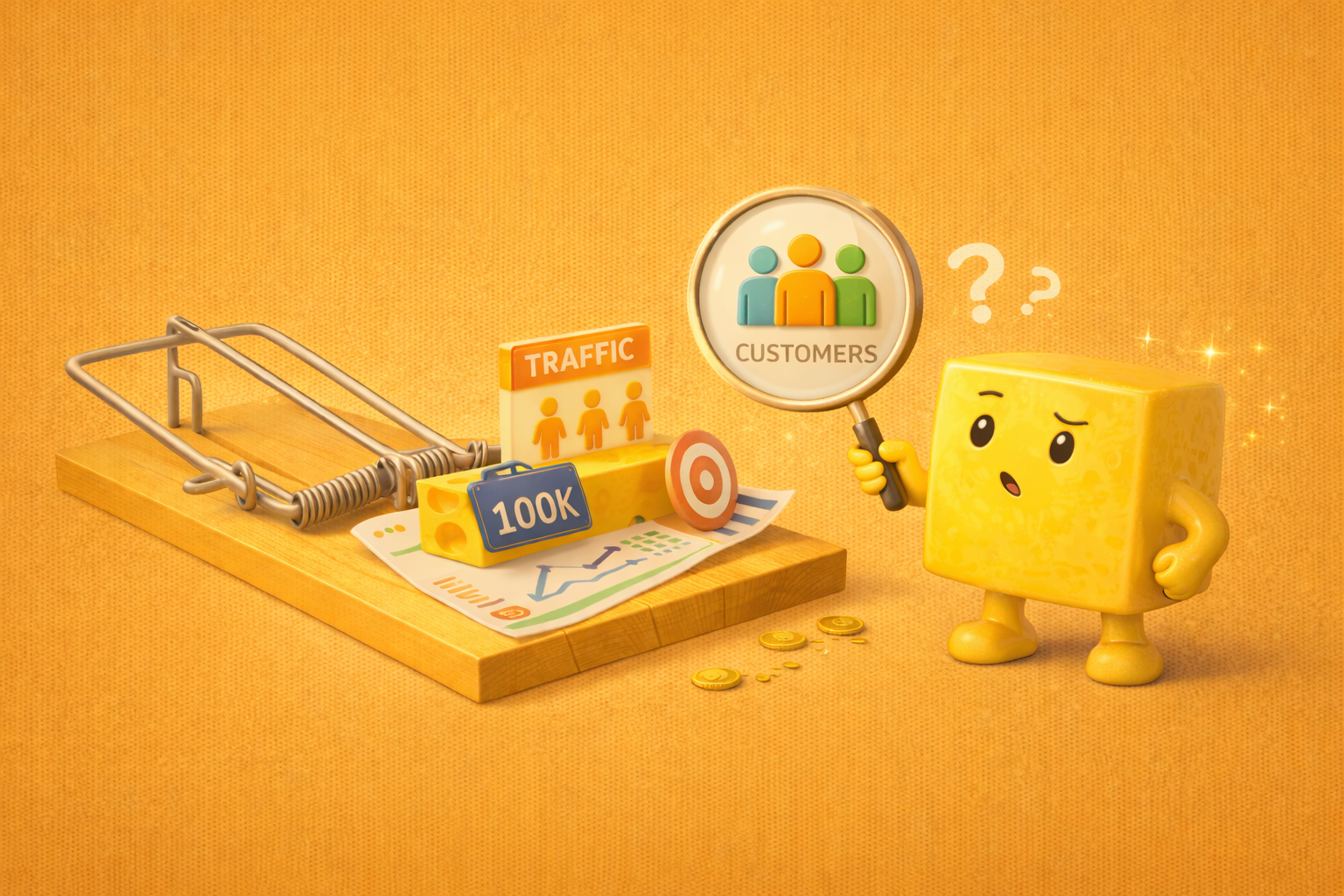
Campaigns may generate attention and traffic, but conversion rates remain low. Marketing teams attempt to optimize targeting, adjust creative assets, and experiment with new audiences.
These adjustments sometimes improve results temporarily. However, if underlying demand is weak or the value proposition is unclear, performance often remains inconsistent.
Advertising performs best when it meets an audience already motivated to explore solutions.
Why Performance Fluctuates So Much
Several factors contribute to the unpredictable nature of paid media.
First, competition constantly changes. As more organizations compete for attention in the same channels, advertising costs can increase rapidly.
Second, platform algorithms evolve continuously. Small adjustments to targeting or bidding strategies can influence how campaigns perform.
Third, and most importantly, the strength of the underlying marketing system varies.
If positioning is unclear, advertising messages may attract the wrong audience. If the website fails to communicate value effectively, interested prospects may leave before taking action.
When these variables interact, campaign performance can fluctuate dramatically.
Scaling Ads Before the System Is Ready
One of the most common mistakes organizations make is scaling advertising before the marketing system is ready.
Early campaigns may produce promising results. Encouraged by this momentum, companies increase budgets and expand into additional channels.
Initially, performance may appear strong. Over time, however, inefficiencies begin to emerge.
Customer acquisition costs increase. Conversion rates decline. Campaigns require constant adjustment to maintain results.
This happens because scaling exposes weaknesses that were previously hidden. What worked for a small audience becomes less effective as reach expands.
Paid media magnifies both strengths and weaknesses simultaneously.
The Role of Messaging and Clarity
Advertising performance often depends less on targeting technology and more on messaging clarity.
When messaging communicates a clear value proposition, audiences can quickly determine whether the offering is relevant to them. This clarity improves engagement and increases the likelihood that interested visitors will explore further.
When messaging is vague or overly broad, audiences struggle to understand why they should care.
Advertisements may attract attention but fail to produce meaningful interest.
This dynamic explains why some campaigns perform exceptionally well with relatively modest budgets. Clear messaging allows the advertising platform to find the right audience more efficiently.
Paid Media as an Amplifier, Not a Solution
Understanding paid media as an amplifier changes how organizations approach advertising strategy.
Instead of expecting advertising to solve marketing challenges, leaders begin examining the system that advertising is amplifying.
If campaigns struggle to perform, the problem may lie in positioning, messaging, or customer understanding rather than targeting settings.
Strengthening these elements often improves advertising performance dramatically.
When the underlying system is clear, paid media becomes more predictable. Campaigns reinforce a narrative that audiences already recognize as relevant.
How Brand Butter Approaches Paid Media Strategy
At Brand Butter, paid media is never treated as a standalone growth engine.
Instead, it is integrated into a broader marketing system designed to support clear decision-making and consistent messaging.
Before scaling advertising efforts, we focus on strengthening the elements that influence campaign performance most directly. This includes clarifying positioning, ensuring website messaging supports the narrative presented in advertisements, and understanding where genuine customer intent exists.
Once these foundations are established, paid media can amplify the system effectively.
Advertising becomes a tool for accelerating growth rather than compensating for uncertainty.
Predictability Comes From System Strength
Paid media will always involve some level of experimentation. Markets change, competitors evolve, and audiences respond differently to new ideas.
However, advertising becomes far more predictable when the system behind it is strong.
Clear positioning attracts relevant audiences. Strong messaging communicates value quickly. Effective websites support the decisions visitors are trying to make.
When these elements align, paid media behaves less like a slot machine and more like a lever.
Instead of hoping campaigns perform well, organizations understand why they do.
Sources
WordStream – Digital Advertising Benchmarks and Performance Data
https://www.wordstream.com
Think with Google – The Modern Consumer Decision Journey
https://www.thinkwithgoogle.com
eMarketer – Trends in Digital Advertising and Marketing Performance
https://www.emarketer.com
IAB (Interactive Advertising Bureau) – Digital Advertising Research
https://www.iab.com
Marketing Science Institute – Advertising Effectiveness Research
https://www.msi.org
Adweek – Advertising Strategy and Industry Trends
https://www.adweek.com
Recent Posts