
The ‘Near Me’ Challenge: Who’s Winning Google in Your Town?

If you’ve ever pulled out your phone to search for “coffee shop near me,” “best plumber near me,” or “emergency dentist near me,” you’ve participated in one of the most significant shifts in the history of digital marketing: the astronomical rise of the ‘near me’ search. This simple, two-word phrase represents a fundamental change in consumer behaviour. Today’s customers no longer have the patience to browse through pages of results; they demand instant, hyper-local, and relevant answers. In this high-stakes digital environment, Google acts as the ultimate referee, algorithmically deciding which local businesses win the coveted top spots in search results and which are relegated to digital obscurity.


This reality presents a critical challenge for business owners in towns and cities across the country. While you manage your day-to-day operations, a select group of competitors in your area are quietly dominating these “near me” search results. They are the ones pulling in a steady stream of targeted website traffic, receiving a higher volume of phone calls, and enjoying increased foot traffic from local customers - all without necessarily spending more on advertising. The crucial question you must ask yourself is: are you winning the local search visibility game, or are your competitors consistently beating you to the punch?


Why “Near Me” Searches Matter More Than Ever Before


Understanding the sheer scale and intent behind these searches is the first step toward prioritizing your local SEO strategy. The trend is not just growing; it has exploded and become the default way people find local goods and services.


  • Explosive Growth: The volume of “near me” searches has seen a staggering increase of over 500% in the past few years alone. This isn't a fleeting trend; it's the new normal. Consumers have been trained by search engines and mobile apps to expect personalized, location-based results instantly. They instinctively add “near me” or let their browser detect their location to filter out any business that isn't immediately convenient.


  • High Purchase Intent: This is perhaps the most important aspect for business owners to grasp. A user searching for “auto repair near me” isn’t just browsing; they are likely stranded on the side of the road or noticing a troubling noise from their engine. Someone searching for “restaurants near me” is hungry and deciding where to eat right now. These users have a clear and immediate need. They are at the critical decision-making point in the customer journey, making them the most valuable and conversion-ready audience you can attract. Capturing this traffic is directly equivalent to capturing new sales.


  • The Mobile-First Imperative: The vast majority of “near me” searches are conducted on smartphones. This means the user is often on-the-go, looking for directions, or ready to click-to-call. Google’s entire interface for these searches - the Local Pack (the map with the three business listings) - is designed for mobile action. It provides directions, one-tap calling, and a direct link to your website. If you're not visible here, you're missing out on the most actionable traffic available.


When a potential customer conducts a local search, Google’s most prominent feature is the “Local Pack” or “Map Pack.” This is the box that appears at the top of the search results, featuring a map and typically three local business listings. This is the digital equivalent of prime downtown retail space. For the vast majority of users, these top three results are the search results. If your business is not featured in this map box, you are, for all intents and purposes, invisible to a massive portion of your potential local customer base.


Who’s Winning in Your Town? The Hallmarks of a Local SEO Leader


So, who are these businesses that consistently win these top spots? It might be the business down the road or across town or the one right next to you. While it might seem like a mystery, their success is not accidental. They typically excel in three core areas that signal trust and relevance to Google’s algorithm. This consistent excellence isn't a one-time effort but a sustained commitment to mastering their online presence, treating their local visibility with the same importance as their daily operations. They understand that in the digital age, being the best-kept secret is the same as being invisible.


  1. A Meticulously Optimized Google Business Profile (GBP): Your Google Business Profile is your single most important asset for local SEO. Winning businesses haven’t just claimed their listing; they have completed it with obsessive detail. Every section is filled out: accurate business hours, correct categories, a compelling business description, and a link to their website. Most importantly, they populate their profile with a steady stream of high-quality photos - images of their products, their team, their interior, and happy customers. They use the Posts feature to share updates, promotions, and events, keeping their profile dynamic and fresh. This activity signals to Google that the business is active, engaged, and relevant.

  2. An Active Strategy for Reviews and Reputation Management: In the digital world, online reviews are the new word-of-mouth. Top-ranking businesses don’t leave reviews to chance; they proactively and systematically request them from satisfied customers. More importantly, they respond to every review - thanking customers for positive feedback and addressing negative reviews with professionalism and a genuine desire to resolve issues. This serves a dual purpose: it builds social proof and trust for potential customers reading the reviews, and it sends positive engagement signals to Google’s algorithm, which can influence local search rankings.

  3. A Comprehensive, Ongoing Local SEO Strategy: Dominating local search requires more than just a great GBP. Successful businesses build a local SEO strategy that encompasses their entire online presence.

This includes:

  • Local Keyword Integration: They naturally incorporate location-specific keywords (e.g., “Moncton HVAC services,” “Fredericton web design agency”) into their website’s page titles, meta descriptions, headers, and content.


  • Localized Content Creation: They create content that is specifically relevant to their community, such as blog posts titled “A Guide to the Best Patios in Halifax” or “Preparing Your Saint John Home for Winter.”


  • Local Backlink Building: They earn links from other reputable local websites, such as local news outlets, Chamber of Commerce directories, tourism boards, and community blogs. These links act as votes of confidence, telling Google that the business is a legitimate and important entity within the community.


How to Compete and Win: Your Action Plan for Local Search Dominance


If you’ve reviewed your own search presence and found it lacking, there’s no need to panic. Local SEO is highly fixable and often shows results faster than broader national SEO strategies. Here is your actionable plan to start competing and winning:


  • Claim and Ruthlessly Optimize Your Google Business Profile: This is your non-negotiable first step. Ensure every piece of information is accurate, consistent, and detailed. Add photos regularly and use every feature Google provides.


  • Implement a System for Generating and Managing Reviews: Make asking for reviews a standard part of your customer follow-up process. Train your team to respond to all reviews promptly and professionally.


  • Conduct a Local Keyword Audit: Identify the key phrases your ideal customers are using to find your services. Use tools like Google Keyword Planner, SEMrush, or Moz to find terms with high local intent and integrate them thoughtfully into your website’s content.


  • Create Location-Specific Pages: If you serve multiple towns or cities, create dedicated landing pages for each location. For example, a plumbing company in Nova Scotia could have pages optimized for “Plumber in Halifax,” “Plumber in Dartmouth,” and “Plumber in Bedford.”


  • Analyze Your Competitors: Identify the businesses that are currently ranking #1 for your target keywords. Analyze their Google Business Profiles, their websites, and their backlink profiles. Understand what they are doing right, and then develop a strategy to do it better, offering more value and a more user-friendly experience.


Your Town’s Google Map Is the New Main Street


The paradigm has permanently shifted. Once upon a time, business success was heavily influenced by physical location - securing a storefront on the busiest street corner in town. Today, the digital main street is just as important, if not more so. That digital main street is the Google Maps results and the local pack that appears for countless “near me” searches every single day.


The businesses that understand this shift and treat local SEO as a critical, ongoing component of their marketing strategy are already reaping the benefits: higher visibility, more qualified leads, and sustained growth. They are the ones winning market share while others wonder where their customers have gone.

If you’re ready to move beyond wondering and start winning - if you’re ready to claim your spot in the local pack and stop losing valuable customers to your competitors - it’s time to take strategic action. The team at Brand Butter Marketing specializes in helping local businesses like yours stand out, get found, and dominate your local market. We understand the nuances of local SEO and how to apply them to the unique character of your business and community.


If you’re ready to claim your spot in the local pack and stop losing customers to competitors, let’s talk. Brand Butter Marketing helps local businesses stand out and win on Google.

Recent Posts

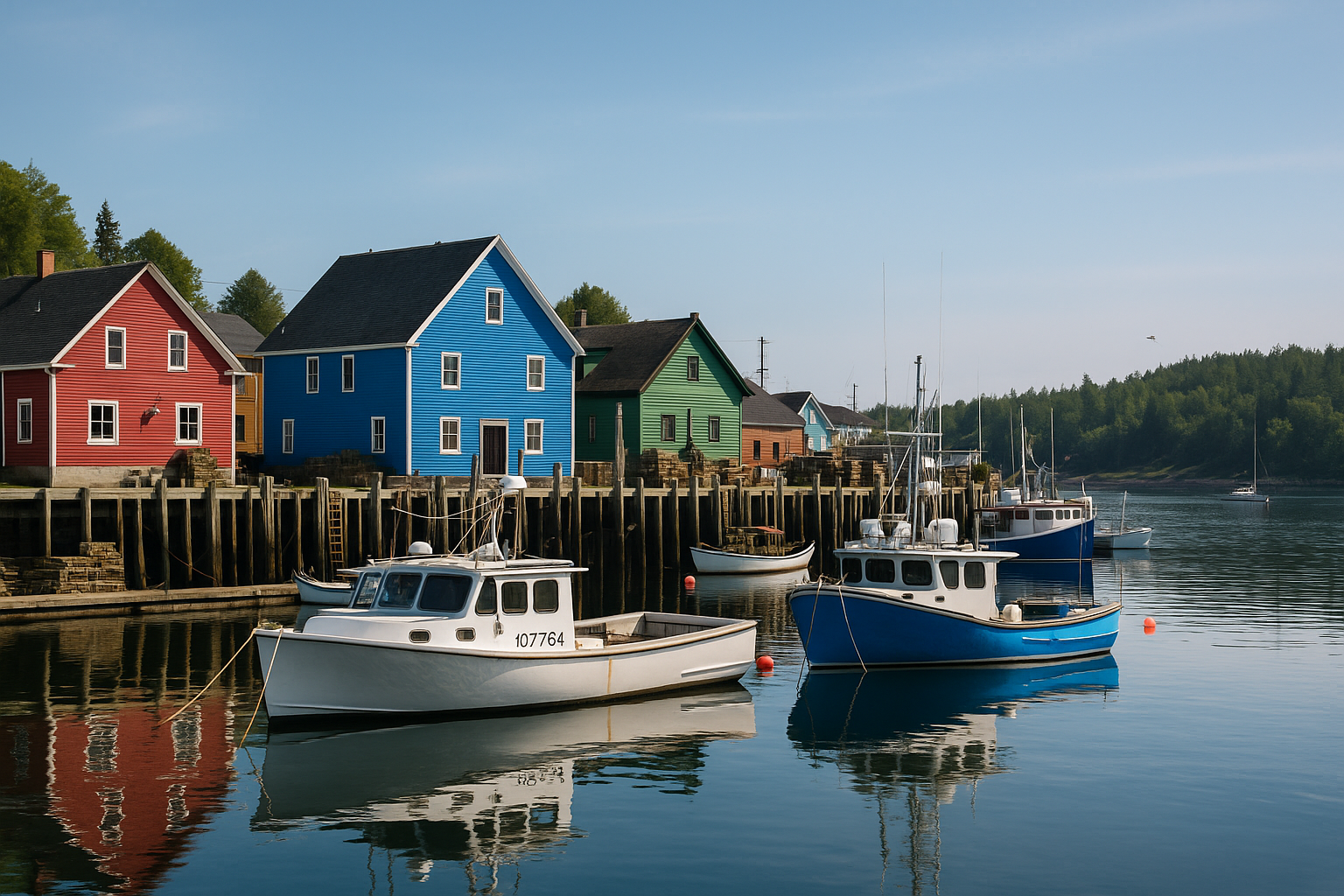
Colorful fishing village with boats docked, reflected in the calm water.
By Matt Daigle April 7, 2026
How to Rank Higher, Reach More Locals, and Build a Brand That Feels Like Home If your business is based in Atlantic Canada, there’s a good chance your customers are already searching for you online - the question is, are they actually finding you? From Halifax to Charlottetown, Saint John to St. John’s, search visibility has become the digital lifeline for local businesses. Whether you run a café on Water Street or manage a trades company serving the Maritimes, your customers are turning to Google first. And in 2025, showing up in those results isn’t just a nice-to-have - it’s everything. This guide breaks down how Atlantic Canadian businesses can use SEO to connect with more customers, stand out in search, and turn clicks into real-world conversations. Why SEO Matters More Than Ever in Atlantic Canada Search behaviour in Atlantic Canada has shifted dramatically over the past few years. More than 90% of people now use Google to find local businesses, and most of those searches happen on mobile. That means your potential customers are discovering new restaurants, shops, and services in the exact moment they’re ready to buy - and the businesses that show up first are the ones getting the calls, the bookings, and the foot traffic. The good news? Local SEO levels the playing field. You don’t need a national marketing budget to rank well - you just need a focused strategy that reflects your community, your expertise, and your region’s character. How Local SEO Works (and Why It’s Built for Atlantic Businesses) At its core, SEO helps search engines understand who you are, what you do, and where you do it. Local SEO takes that one step further, making sure Google connects you with people nearby who are actively looking for what you offer. For Atlantic Canada, this means optimizing around your region’s language and habits - the small-town signals that big agencies often overlook. When someone in Fredericton searches for “best local contractor,” Google’s job is to deliver the most trustworthy, relevant business nearby. Your job is to make sure your brand looks like the best answer. That starts with three foundational areas: your website, your Google Business Profile, and your online reputation. 1: Strengthen Your Google Business Profile Think of your Google Business Profile (GBP) as your new storefront window. It’s the first impression customers get when they search your business - and it’s where they decide whether to click, call, or keep scrolling. Make sure your profile is fully complete with accurate contact info, a clear description of what you do, and high-quality photos of your space, products, or team. Post updates weekly, just like you would on social media. Add seasonal promotions, new services, or behind-the-scenes moments. Most importantly, collect reviews from real customers and respond to each one. Google doesn’t just look at how many reviews you have - it tracks how active and engaged your business appears. Responding with local context (“Thanks for visiting us in Moncton!”) reinforces your relevance to the region. 2: Create Localized Pages That Speak to Your Audience Many businesses make the mistake of cramming every service and city into one generic page. That’s like trying to sell the same menu to everyone in all four provinces - it just doesn’t work. Instead, create individual pages tailored to the communities you serve. For example, if you’re a marketing agency, have dedicated pages for “SEO Services in Halifax,” “Social Media Marketing in PEI,” and “Web Design in Saint John.” Each page should sound like it belongs to that place - mention local landmarks, regional industries, or even common challenges (“We help small businesses in downtown Charlottetown stand out in local searches”). These small touches tell Google - and your customers - that you’re rooted here, not just optimizing for clicks. 3: Build Trust with Regional Links and Mentions Links from other local sites act like digital referrals. The more trusted local sources that mention your business, the more confident Google becomes that you’re legitimate. Start simple: partner with nearby businesses, sponsor local events, and submit your site to Atlantic business directories. Consider guest posting on regional blogs, or getting featured in local publications like SaltWire, Huddle, or CBC Atlantic. Each link builds authority - and the best part is, it also builds real relationships across your community. When your business is mentioned on multiple local websites, Google starts to see you as part of the fabric of your region - not just another listing. 4: Publish Content That People Actually Want to Read Forget keyword-stuffed blog posts that no one finishes. Today’s SEO is about writing for humans first, algorithms second. That means creating useful, local content that answers real questions. If you’re a builder, write about energy-efficient home trends in the Maritimes. If you’re a restaurant owner, share what goes into sourcing ingredients locally. These types of articles naturally include local and service-related keywords, but they also position you as the expert. In 2025, Google’s algorithm rewards original, experience-based content - not copy-and-paste advice. The more authentic your voice, the better your results. 5: Measure, Refine, and Stay Consistent SEO isn’t a one-time fix. It’s an ongoing rhythm of tracking, improving, and building momentum. Check your website analytics every month. Look at which cities and pages are driving the most visits. Adjust your content, add internal links, and update old posts. If you notice that “SEO Moncton” is performing better than “SEO Halifax,” double down. If customers are finding you through “near me” searches, add that phrase naturally to your site. Small improvements compound over time - just like building community trust offline. What Makes Atlantic SEO Unique The best part about doing business here is also what makes SEO so powerful - our sense of community. Atlantic Canadians care about reputation, reliability, and word of mouth. Online, that translates into authenticity. When your content, reviews, and photos all tell a genuine story of who you are and where you’re from, your search presence becomes an extension of your brand’s character. You’re not just another business trying to rank; you’re part of the region’s ecosystem. 🌊 Pro Insight: Businesses that include photos of their actual location, team, or community events see up to 35% more engagement than those using stock photography. Wrapping It Up: Make Your SEO Meltworthy SEO in 2025 isn’t about chasing trends - it’s about creating an honest, helpful, and human digital presence. When you focus on clarity, consistency, and creativity, you attract the right kind of attention: people who live nearby, need what you offer, and already trust you before they click. At Brand Butter, we help Atlantic Canadian businesses turn search visibility into meaningful growth - through strategies that are as smooth as they are sustainable. Let’s make your marketing meltworthy. 🧈 Schedule a Call The 2025 Atlantic SEO Checklist Optimize your Google Business Profile Create city-specific landing pages Use schema and structured data Write locally relevant content monthly Earn regional backlinks Track your analytics and adapt regularly

A high-converting mobile interface on a smartphone screen.
March 31, 2026
Stop losing customers on small screens. Learn the exact mobile conversion optimization strategies that turn Canadian smartphone users into loyal customers in 2026.

Comparison of TikTok, Meta, and Google ad platforms on a smartphone screen.
March 30, 2026
Compare TikTok Ads vs Meta vs Google to find the best ROI for your Canadian business. Learn where to invest your marketing budget in 2026 with Brand Butter.