
How Breweries in Atlantic Canada Can Attract More Tourists Online

Atlantic Canada is quickly becoming a top destination for craft beer tourism. From cozy microbreweries in Moncton to oceanside taprooms in Nova Scotia, the region offers visitors unique experiences that go far beyond the pint glass.

According to Tourism Nova Scotia, the province welcomed 2.2 million visitors in 2023, an increase of 14 percent compared with 2022. On Prince Edward Island, Tourism PEI actively promotes craft breweries as part of its Island Flavours campaign. Even in smaller cities like Fredericton or Moncton, breweries are central to culinary tourism, attracting thousands of visitors every summer.

Globally, beer tourism is growing. Studies from brewing associations and market analysts show craft beer tourism contributes significant economic value and supports jobs. Atlantic Canada has the chance to capture a larger share of this trend if breweries market themselves effectively online.

The challenge is visibility. Tourists plan digitally first. They search Google, watch TikTok videos, scroll Instagram reels, and read TripAdvisor reviews to decide where to eat, drink, and explore. If your brewery does not appear in these places, your competitors will capture those tourists instead.

At Brand Butter Marketing Agency, we specialize in buttery-smooth digital strategies that help breweries in Atlantic Canada stand out, sell out, and shine online. Whether you are in Halifax, Charlottetown, Moncton, or St. John’s, here is how to attract more tourists and keep your taproom busy all season long.


1. Optimize Your Local SEO


Tourists search before they sip. Whether they are in Halifax, Moncton, Fredericton, or Charlottetown, they are typing queries like:


  • “Best breweries in New Brunswick”
  • “Beer tasting near Halifax”
  • “Things to do in Moncton”


If your brewery does not appear in these searches, you are invisible to your biggest seasonal audience.


How to Fix It


  • Claim and Optimize Your Google Business Profile → Add accurate hours, updated photos, menus, and events. Many tourists use Google Maps as their first guide.
  • Use Local SEO Keywords → Target searches like “Fredericton brewery tours” or “Moncton craft beer near me.”
  • Upload High-Quality Visuals → Showcase your taproom, seasonal releases, and events with professional photos.
  • Collect Five-Star Reviews → Encourage happy visitors to leave reviews on Google and TripAdvisor. Positive reviews influence both algorithms and people.


Go Beyond the Basics


  • Add Schema Markup → Use structured data so search engines display your events, menu, and location details more prominently.
  • Target “Near Me” Searches → Tourists often type “brewery near me” into their phones. Make sure your site is optimized for these queries.
  • Voice Search Optimization → Travelers frequently ask Siri or Alexa for suggestions. Include conversational keywords like “Where can I find the best IPA in Halifax?”


Pro Tip: More than 70 percent of travel searches happen on mobile. If your website is not fast and mobile-friendly, you are losing customers before they ever see your taproom.


2. Sell Experiences, Not Just Beer


For many tourists, beer is just the beginning. They want immersive experiences that create lasting memories. Your online presence should help them imagine themselves at your brewery.


Ways to Showcase Your Brewery


  • Instagram Reels and TikTok → Share behind-the-scenes brewing clips, tasting flights, and live events.
  • High-Quality Photography → Show off your atmosphere, from rustic wood interiors to sunny patios with ocean views.
  • User-Generated Content (UGC) → Repost customer photos. Peer content builds trust faster than advertising.


Think Beyond the Pint


Offer experiences that tourists will talk about long after their visit:


  • Brewery and Live Music Nights
  • Food Pairing Dinners featuring local seafood or farm-to-table menus
  • Guided Tours and Tasting Packages
  • Limited Release Parties that create buzz


Pro Tip: Create a brewery passport program or join regional beer trails. Tourists love collecting stamps and it encourages them to explore multiple stops.


3. Run Geo-Targeted Ads


Not every tourist plans weeks in advance. Many decide what to do while already in the region. This is where geo-targeted advertising works best.


Smart Ad Strategies for Breweries


  • Facebook and Instagram Ads → Target tourists staying within 20 km of your location.
  • Google Ads → Bid on searches like “brewery near me” or “things to do in Nova Scotia this weekend.”
  • TripAdvisor Advertising → Capture attention where tourists already look for activities.
  • Waze Ads → Show up in front of drivers searching for food and drink stops.


Pro Tip: Keep ad creative short and visual. A 15-second video of people clinking glasses on your patio can drive more conversions than a static post.


4. Partner With Local Tourism Channels


Tourists do not rely on search engines alone. They read travel blogs, browse event guides, and follow influencers. Getting featured on these platforms amplifies your reach.


How to Expand Your Reach


  • Collaborate with Travel Bloggers → Get into lists like “Top 10 Things to Do in Halifax” or “Best Breweries in Moncton.”
  • Get Listed on Tourism Websites:
  • Discover Halifax
  • Tourism New Brunswick
  • Tourism PEI
  • Newfoundland and Labrador Tourism
  • Partner with Event Organizers → Food festivals, concerts, and craft beer events attract built-in audiences.
  • Work with Local Influencers → Even accounts with 3,000 followers can influence travel decisions.


Pro Tip: Offer free tastings or tours to travel journalists. Their coverage can generate long-term traffic.


5. Embrace Video Marketing


Video is the most influential medium in travel planning. TikTok and Instagram Reels are filled with visitors searching “things to do in Atlantic Canada.”


Video Content Ideas


  • 30-Second Taproom Tour → Show the vibe quickly.
  • Behind-the-Scenes Brewing → Highlight craftsmanship and authenticity.
  • Seasonal Beer Releases → Capture excitement and first reactions.
  • Food Pairings → Show off lobster rolls, oysters, donairs, or blueberry desserts paired with your beer.


Pro Tip: Always add captions. Many tourists scroll without sound, especially while on the go.


6. Capture Emails and Retarget Visitors


Not every tourist will walk in immediately. Building an ongoing relationship is key.


  • Collect Emails in Taproom → Offer a discount on merchandise or their first pint for joining your list.
  • Send Seasonal Updates → Announce concerts, food truck nights, or seasonal beers.
  • Retarget Visitors Online → Show ads to tourists who viewed your website or engaged with your social channels.


👉 Bonus: Offer shipping or online ordering so tourists can relive their trip when they get home.


7. Seasonal Campaigns and Loyalty Programs


Tourism peaks in the summer, but your marketing should extend all year.


  • Summer Patio Promotions → Highlight oceanfront seating or weekend live bands.
  • Fall Oktoberfest Events → Lean into seasonal beers and German traditions.
  • Winter Warmers → Market cozy stouts and indoor tastings.
  • Spring Brewery Trails → Partner with nearby breweries for themed tours.


Loyalty programs help turn tourists into repeat customers. A digital punch card or a members-only mug club can create brand advocates.


8. Leverage Festivals and Community Events


Atlantic Canada is home to dozens of food and drink festivals. Being part of these events boosts visibility.


  • Nova Scotia Craft Beer Week
  • Atlantic Beer Festival (Moncton)
  • PEI Beer Festival
  • St. John’s Craft Beer Festival


By marketing your participation ahead of time online, you can attract tourists who are already planning their trips around these events.


9. Budgeting and Measuring ROI for Ads


Tourism windows are short in Atlantic Canada, so a clear budget and measurement plan will help you move quickly. Start with a modest test budget, then scale what works.


  • Set a starter budget → Allocate $20 to $50 per day per campaign for two weeks. Test at least two audiences and two creative variations.
  • Define conversion goals → Choose a primary conversion, such as “Directions clicks,” “Book a tour,” or “Reserve a table,” and a secondary goal, like email sign-ups.
  • Track with UTMs → Add tracking parameters to all ad links so your analytics platform can attribute visits and conversions correctly.
  • Optimize weekly → Pause underperforming ads, shift budget to winners, and refresh creative with seasonal angles.
  • Calculate simple ROI → Estimate average spend per visiting party and compare to your ad spend to judge profitability.


Pro Tip: Pair ads with a limited-time offer for visitors. A same-day tasting discount or a tour-and-merch bundle can boost conversion rates.


10. A 48-Hour Halifax Craft Beer Itinerary (Example Content You Can Replicate for Any City)


Use itinerary-style content on your website to rank for planning keywords and to help tourists picture their trip.


Day 1

  • Afternoon arrival → Share a “Welcome to Halifax” reel, then suggest nearby scenic stops and check-in at accommodations.
  • Golden-hour patio → Invite readers to your taproom for a sampler flight and a view. Include a map embed and walking directions.
  • Live music → Promote your events calendar. If you host bands, showcase a playlist or short performance clips.


Day 2

  • Behind-the-scenes tour → Offer morning or early afternoon tour slots. Highlight safety, accessibility, and family-friendly guidelines.
  • Local pairing lunch → Provide recommendations for nearby restaurants that pair well with your flagship beers.
  • Sunset coastal drive → Suggest a route to photograph lighthouses and beaches, then return for a limited-release tasting.


Pro Tip: Turn each itinerary into downloadable PDFs or Google Maps lists and collect emails in exchange for access.


11. Accessibility, Families, and Pet-Friendly Policies


Tourists look for places where everyone in their group feels comfortable. Publish clear policies and amenities to help them decide quickly.


  • Accessibility → Note ramp access, accessible washrooms, seating options, and staff training. Include photos of entrances and pathways.
  • Families → State kid-friendly hours, high chairs, board games, or a non-alcoholic menu. Responsible service and clear expectations build trust.
  • Pets → If local bylaws allow, outline patio rules and water bowl locations. If pets are not permitted, offer guidance on nearby dog parks or daycare options.
  • Transportation → List transit routes, taxi and rideshare zones, bike racks, and safe parking. Consider designated driver perks like free non-alcoholic beverages.


Pro Tip: Create an “All Welcome” section on your site with a quick FAQ. This reduces inbox questions and helps you rank for “pet-friendly brewery” and “accessible brewery” searches.


12. FAQ: Quick Answers Tourists Search For


Do I need a reservation for tastings or tours?
Reservations help us manage space during peak times. Walk-ins are welcome when capacity allows. Book online to guarantee a spot.


Are non-alcoholic options available?
Yes. We serve house-made sodas, hop water, and non-alcoholic beer options so everyone can enjoy the experience.


Do you serve food?
We operate a small kitchen and regularly host rotating food trucks. Check the events page for the weekly lineup.


Can I bring my dog?
Leashed dogs are welcome on the patio during posted hours, subject to weather and space. Service animals are permitted inside.


How do I get there without a car?
We are on local bus routes and close to bike paths. Taxis and rideshare services drop off at the main entrance. See the Getting Here page for maps.


Why This Matters More Than Ever


Atlantic Canada’s craft beer scene is growing rapidly. With new breweries opening each year, competition is fierce. Tourists have options, and if they do not find you first, they will find someone else.


Investing in a strong digital marketing strategy leads to:


  • More taproom visits
  • Higher event bookings
  • Increased merchandise sales
  • Loyal returning customers


How Brand Butter Can Help Breweries


At Brand Butter Marketing Agency, we help breweries across Atlantic Canada get found, loved, and visited.


Here is how we do it:


  • Local SEO Optimization → Get discovered when tourists search.
  • Experience-Driven Content → Showcase what makes your brewery unique.
  • Geo-Targeted Ad Campaigns → Reach tourists who are already nearby.
  • Conversion-Focused Strategies → Turn online interest into foot traffic.


We do not just create marketing. We create moments tourists travel for.


📩 Ready to attract more tourists this season? Let’s make your brewery impossible to miss. Contact Brand Butter Marketing today to get started.


Final Sip: Do Not Just Pour Beer, Pour Stories


The craft beer scene in Atlantic Canada is about more than what is in the glass. It is about the atmosphere, the people, and the memories that last long after the pint is finished. With the right online presence, your brewery can become a must-visit destination on every tourist’s list.

Recent Posts

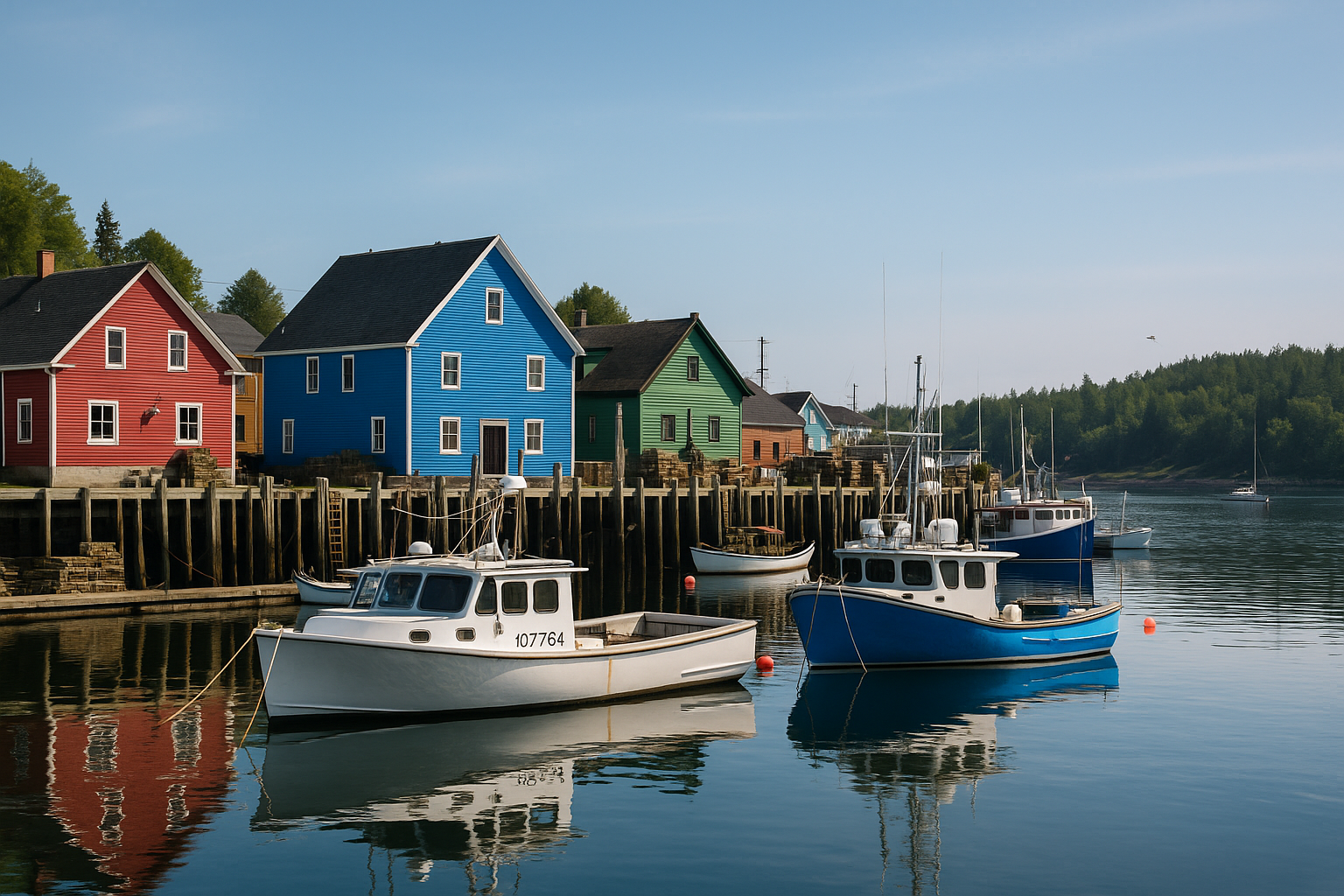
Colorful fishing village with boats docked, reflected in the calm water.
By Matt Daigle April 7, 2026
How to Rank Higher, Reach More Locals, and Build a Brand That Feels Like Home If your business is based in Atlantic Canada, there’s a good chance your customers are already searching for you online - the question is, are they actually finding you? From Halifax to Charlottetown, Saint John to St. John’s, search visibility has become the digital lifeline for local businesses. Whether you run a café on Water Street or manage a trades company serving the Maritimes, your customers are turning to Google first. And in 2025, showing up in those results isn’t just a nice-to-have - it’s everything. This guide breaks down how Atlantic Canadian businesses can use SEO to connect with more customers, stand out in search, and turn clicks into real-world conversations. Why SEO Matters More Than Ever in Atlantic Canada Search behaviour in Atlantic Canada has shifted dramatically over the past few years. More than 90% of people now use Google to find local businesses, and most of those searches happen on mobile. That means your potential customers are discovering new restaurants, shops, and services in the exact moment they’re ready to buy - and the businesses that show up first are the ones getting the calls, the bookings, and the foot traffic. The good news? Local SEO levels the playing field. You don’t need a national marketing budget to rank well - you just need a focused strategy that reflects your community, your expertise, and your region’s character. How Local SEO Works (and Why It’s Built for Atlantic Businesses) At its core, SEO helps search engines understand who you are, what you do, and where you do it. Local SEO takes that one step further, making sure Google connects you with people nearby who are actively looking for what you offer. For Atlantic Canada, this means optimizing around your region’s language and habits - the small-town signals that big agencies often overlook. When someone in Fredericton searches for “best local contractor,” Google’s job is to deliver the most trustworthy, relevant business nearby. Your job is to make sure your brand looks like the best answer. That starts with three foundational areas: your website, your Google Business Profile, and your online reputation. 1: Strengthen Your Google Business Profile Think of your Google Business Profile (GBP) as your new storefront window. It’s the first impression customers get when they search your business - and it’s where they decide whether to click, call, or keep scrolling. Make sure your profile is fully complete with accurate contact info, a clear description of what you do, and high-quality photos of your space, products, or team. Post updates weekly, just like you would on social media. Add seasonal promotions, new services, or behind-the-scenes moments. Most importantly, collect reviews from real customers and respond to each one. Google doesn’t just look at how many reviews you have - it tracks how active and engaged your business appears. Responding with local context (“Thanks for visiting us in Moncton!”) reinforces your relevance to the region. 2: Create Localized Pages That Speak to Your Audience Many businesses make the mistake of cramming every service and city into one generic page. That’s like trying to sell the same menu to everyone in all four provinces - it just doesn’t work. Instead, create individual pages tailored to the communities you serve. For example, if you’re a marketing agency, have dedicated pages for “SEO Services in Halifax,” “Social Media Marketing in PEI,” and “Web Design in Saint John.” Each page should sound like it belongs to that place - mention local landmarks, regional industries, or even common challenges (“We help small businesses in downtown Charlottetown stand out in local searches”). These small touches tell Google - and your customers - that you’re rooted here, not just optimizing for clicks. 3: Build Trust with Regional Links and Mentions Links from other local sites act like digital referrals. The more trusted local sources that mention your business, the more confident Google becomes that you’re legitimate. Start simple: partner with nearby businesses, sponsor local events, and submit your site to Atlantic business directories. Consider guest posting on regional blogs, or getting featured in local publications like SaltWire, Huddle, or CBC Atlantic. Each link builds authority - and the best part is, it also builds real relationships across your community. When your business is mentioned on multiple local websites, Google starts to see you as part of the fabric of your region - not just another listing. 4: Publish Content That People Actually Want to Read Forget keyword-stuffed blog posts that no one finishes. Today’s SEO is about writing for humans first, algorithms second. That means creating useful, local content that answers real questions. If you’re a builder, write about energy-efficient home trends in the Maritimes. If you’re a restaurant owner, share what goes into sourcing ingredients locally. These types of articles naturally include local and service-related keywords, but they also position you as the expert. In 2025, Google’s algorithm rewards original, experience-based content - not copy-and-paste advice. The more authentic your voice, the better your results. 5: Measure, Refine, and Stay Consistent SEO isn’t a one-time fix. It’s an ongoing rhythm of tracking, improving, and building momentum. Check your website analytics every month. Look at which cities and pages are driving the most visits. Adjust your content, add internal links, and update old posts. If you notice that “SEO Moncton” is performing better than “SEO Halifax,” double down. If customers are finding you through “near me” searches, add that phrase naturally to your site. Small improvements compound over time - just like building community trust offline. What Makes Atlantic SEO Unique The best part about doing business here is also what makes SEO so powerful - our sense of community. Atlantic Canadians care about reputation, reliability, and word of mouth. Online, that translates into authenticity. When your content, reviews, and photos all tell a genuine story of who you are and where you’re from, your search presence becomes an extension of your brand’s character. You’re not just another business trying to rank; you’re part of the region’s ecosystem. 🌊 Pro Insight: Businesses that include photos of their actual location, team, or community events see up to 35% more engagement than those using stock photography. Wrapping It Up: Make Your SEO Meltworthy SEO in 2025 isn’t about chasing trends - it’s about creating an honest, helpful, and human digital presence. When you focus on clarity, consistency, and creativity, you attract the right kind of attention: people who live nearby, need what you offer, and already trust you before they click. At Brand Butter, we help Atlantic Canadian businesses turn search visibility into meaningful growth - through strategies that are as smooth as they are sustainable. Let’s make your marketing meltworthy. 🧈 Schedule a Call The 2025 Atlantic SEO Checklist Optimize your Google Business Profile Create city-specific landing pages Use schema and structured data Write locally relevant content monthly Earn regional backlinks Track your analytics and adapt regularly

A high-converting mobile interface on a smartphone screen.
March 31, 2026
Stop losing customers on small screens. Learn the exact mobile conversion optimization strategies that turn Canadian smartphone users into loyal customers in 2026.

Comparison of TikTok, Meta, and Google ad platforms on a smartphone screen.
March 30, 2026
Compare TikTok Ads vs Meta vs Google to find the best ROI for your Canadian business. Learn where to invest your marketing budget in 2026 with Brand Butter.